

The Hollywood Sign: From Real Estate Billboard to Global Icon +VIDEO

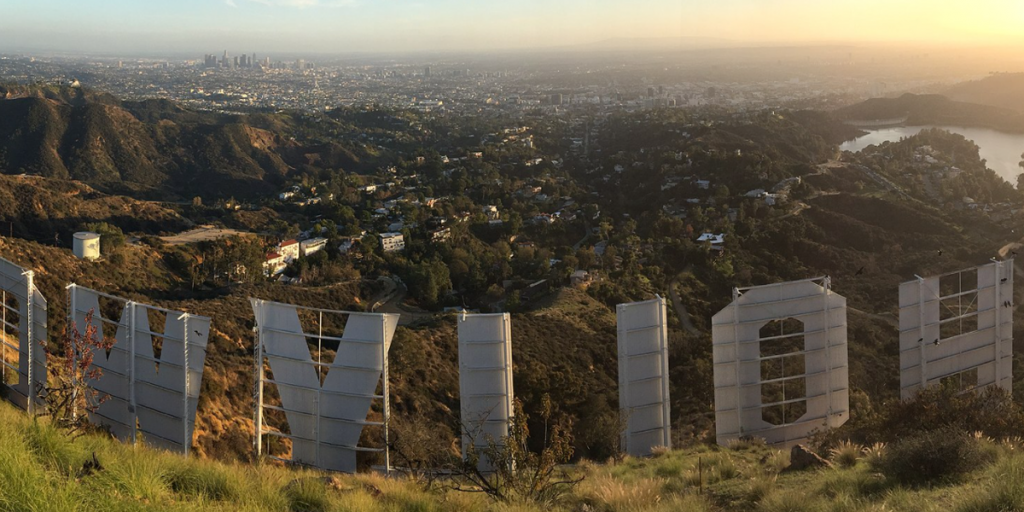
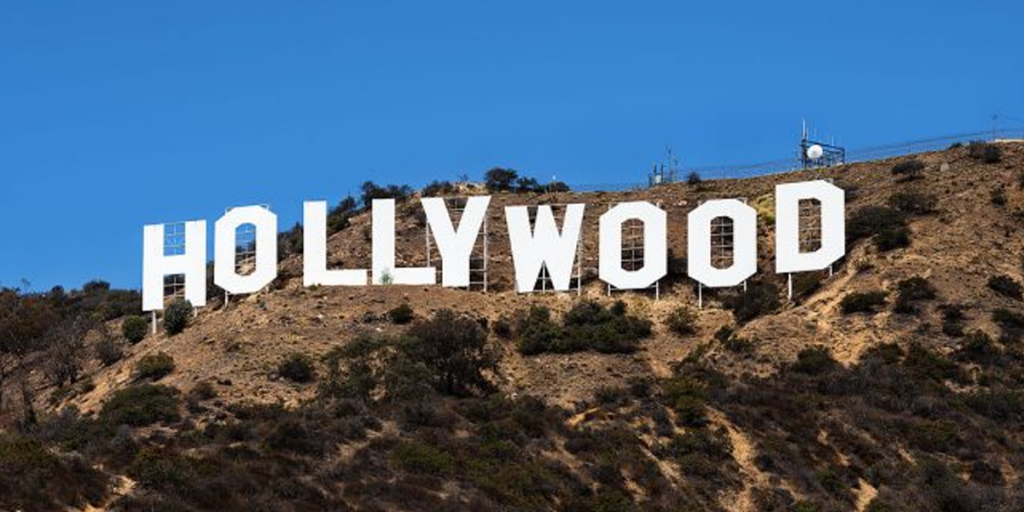
When you think of famous signs, the Hollywood sign tops the list. Those massive white letters perched on Mount Lee have become one of the most recognised landmarks on the planet. But here’s what makes this story fascinating for us in the sign industry: it started as a temporary real estate advertisement.
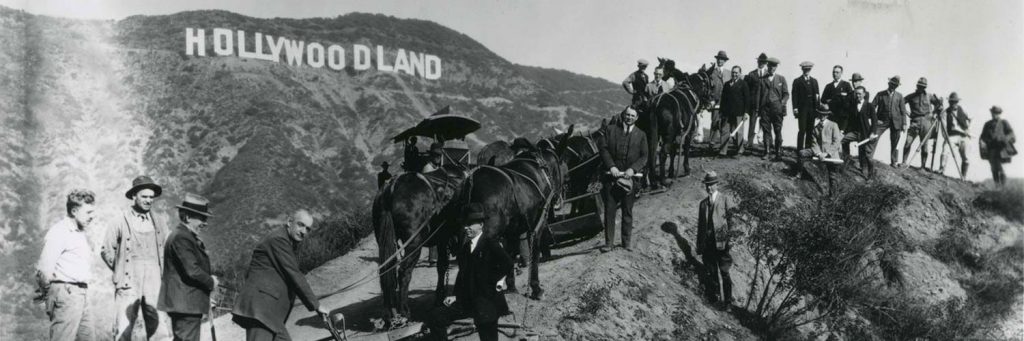
Built to Sell Houses, Not Movies
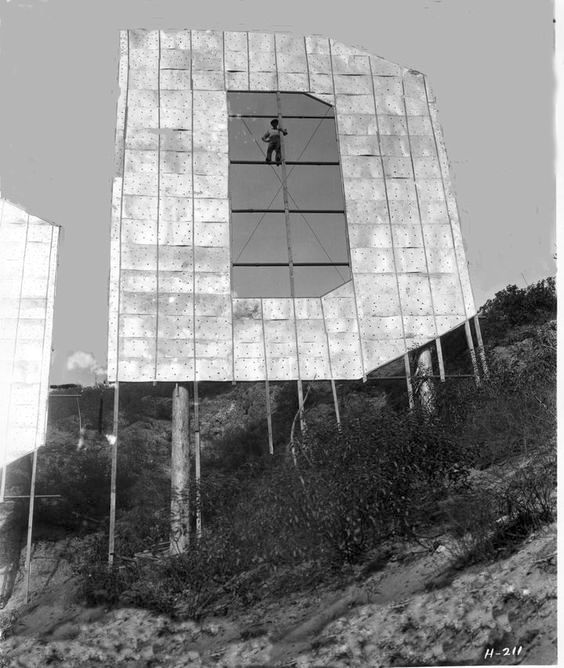
In 1923, a Los Angeles real estate developer backed by newspaper publisher Harry Chandler erected a giant illuminated sign reading “HOLLYWOODLAND.” The specs were impressive: 40,000 light bulbs bringing it to life at night, advertising a new housing development in the hills.
The construction was basic by today’s standards. Workers cut thin sheet metal letters and tacked them onto telephone poles on a dangerously steep hillside. It was never meant to last. It was just a billboard doing its job.
Los Angeles was booming. The population more than doubled during the 1920s, making it the fifth largest city in America. The sign sold an exclusive lifestyle away from downtown smog and crowds.
From Advertisement to Eyesore
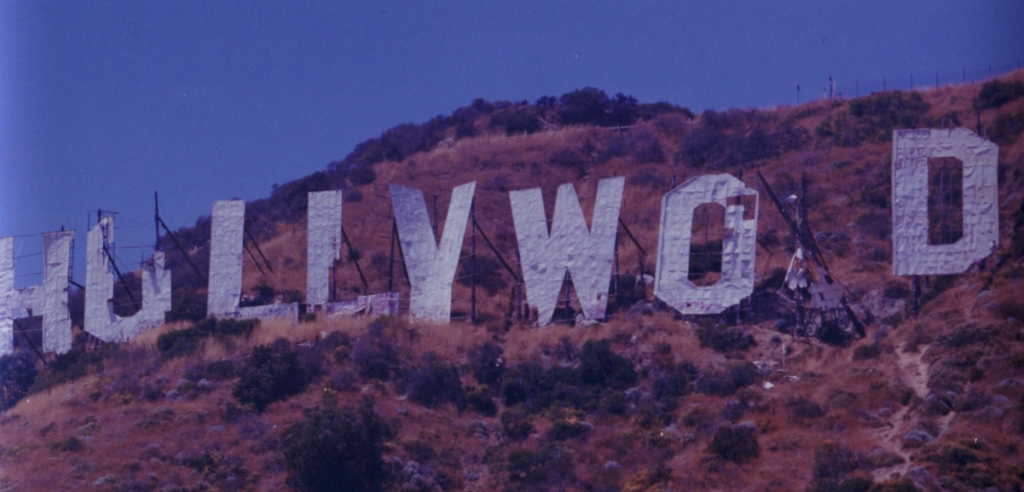
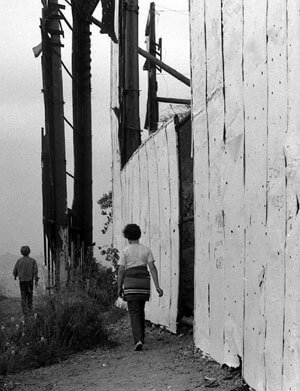
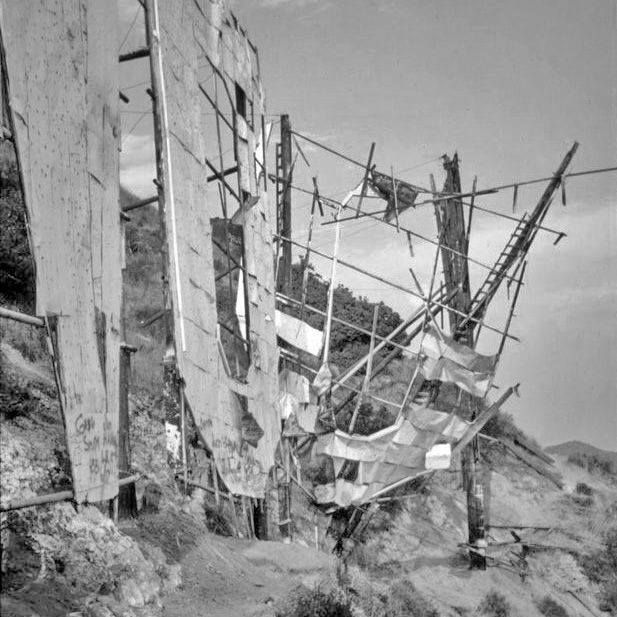
By the late 1940s, the sign had deteriorated badly. Heavy winds ripped letters away. The structure became unstable. Los Angeles city officials called it a dangerous public nuisance and wanted it torn down.
This is the part that resonates with every sign maker who’s ever dealt with maintenance contracts. Without proper planning for upkeep, even the most prominent installations can become liabilities.
The Turning Point
In 1949, the Hollywood Chamber of Commerce stepped in. They took ownership, dropped “LAND” from the end, and the Hollywood sign as we know it was born. But restoration remained patchy through the 1950s and 60s.
By the early 1970s, the sign was falling apart again. It needed more than repairs. It needed a complete rebuild.
The 1978 Rebuild: Proper Fabrication
Hugh Hefner and Alice Cooper led a fundraising campaign that raised about $27,000 per letter. On August 8th, 1978, the old sign came down. By October 30th that year, a completely new sign stood in its place.
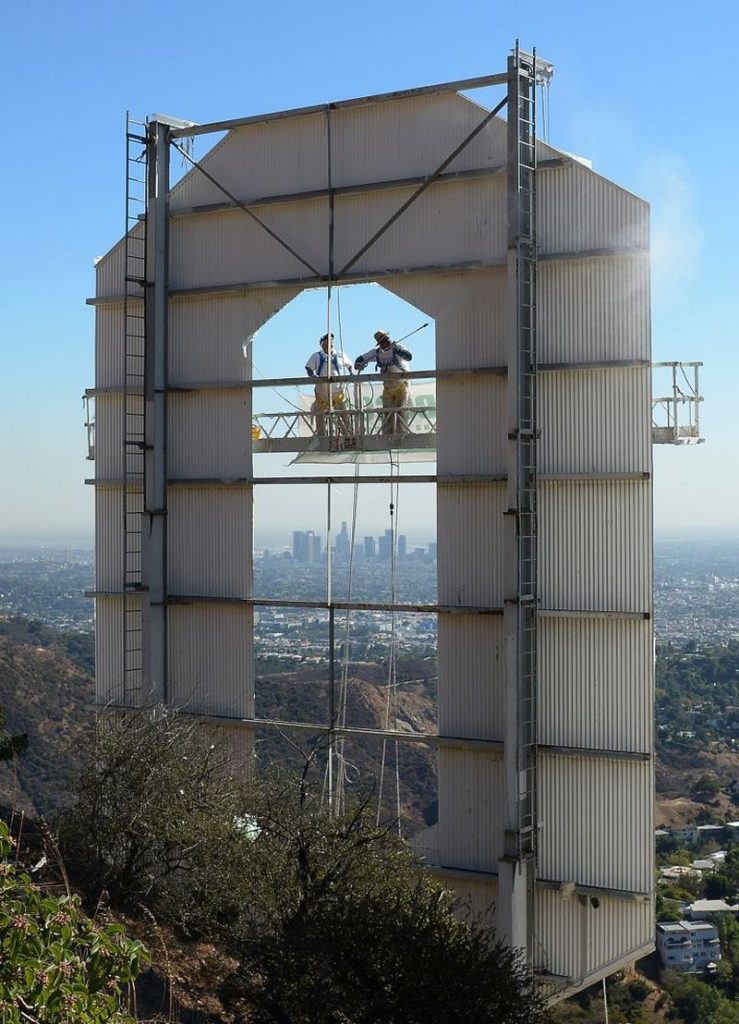
This time, it was built right. Steel construction replaced the original sheet metal and telephone poles. Hugh Hefner’s helicopter lifted the sections into position. Each letter was sponsored by a celebrity or business, from Gene Autry to Warner Bros Records.
The specifications matched the original dimensions, but the materials and engineering were designed for permanence.
Letter Sponsors from the 1978 Rebuild
H – Terrence Donnelly (publisher)
O – Giovanni Mazza (producer)
L – Les Kelley (Kelley Blue Book founder)
L – Gene Autry (actor/singer)
Y – Hugh Hefner (Playboy)
W – Andy Williams (singer)
O – Alice Cooper (donated in memory of Groucho Marx)
O – Warner Bros. Records
D – Thomas Pooley
Each sponsor contributed $27,000 for their letter in 1978.
What Sign Makers Can Learn
The Hollywood sign’s journey from temporary advertisement to protected landmark shows how signs can transcend their original purpose. It also highlights the importance of proper fabrication and maintenance planning from day one.
Today, the sign is a permanent fixture, protected by law and monitored constantly. It’s survived vandalism, including the famous 1976 “HOLLYWEED” modification, and remains one of the most photographed signs in the world.
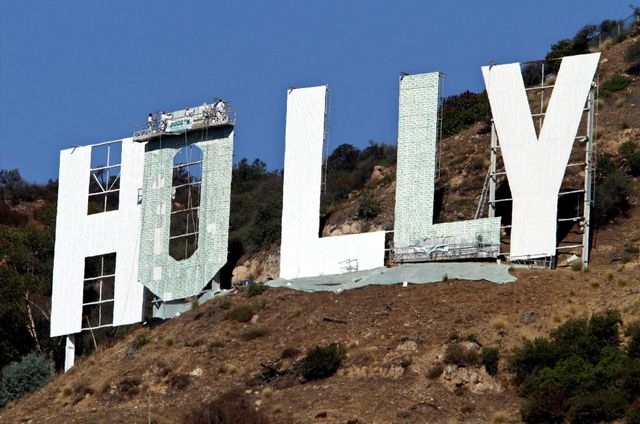
For those of us in the sign industry, it’s a reminder that our work can become part of the cultural landscape. What starts as commercial signage can end up defining a city, an industry, or an era.
The Hollywood sign proves that great signs aren’t just about advertising. They become landmarks. They tell stories. And when built properly, they last.





Responses